
10 7002-2-Clean Outs-Groove x Groove
Item Number: 0691050
1
/
of
1
Regular price
$19,163.25
Special Order
When Will it Ship:
Contact for Lead Time
Estimated transit time: 2 to 5 Business Days
Brand - Ames
Couldn't load pickup availability
- Size: 10 inch
- Weight: 710.0 lb
- Body Material: Epoxy coated steel
- Connections: Grooved ends
- Cleanout Ports: Two
- Maximum Working Pressure: 175 PSI
- Screen Material: 304 stainless steel
- UL Listed
- FM Approved
Description
Description
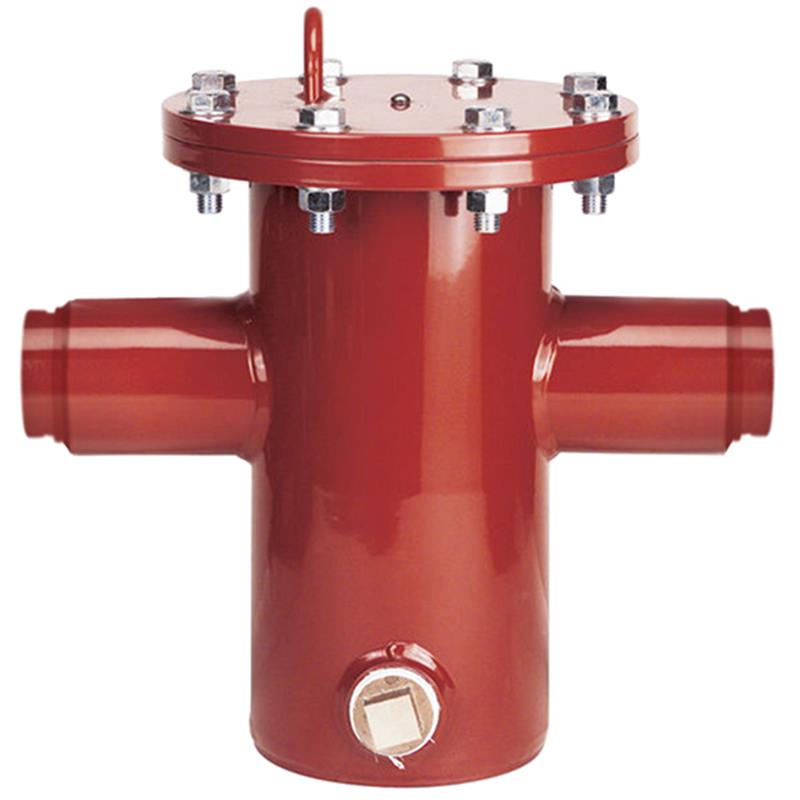
This 10 inch Ames Series 7002 fire service strainer is designed for non-potable fire protection applications, safeguarding water spray systems from clogging. It features an epoxy-coated fabricated steel body with grooved connections and two cleanout ports for easy maintenance. The internal 304 stainless steel screen effectively traps particles 1/8 inch or larger. Rated for a maximum working pressure of 175 PSI and temperatures up to 140°F, it is UL Listed and FM Approved (Class 5551). This strainer protects critical system components like meters and backflow preventers from damage caused by foreign debris.
Help Me Connect
Help Me Connect
Connections
- The 10 inch Series 7002 fire service strainer features grooved connections for installation within fire protection systems.
- This strainer is typically installed upstream of flow devices such as meters, backflow preventers (detector check valves), and flow alarms to protect them from damage and clogging by large particles.
- It is designed for use in conjunction with a water spray system.
Collapsible content
Additional Details
The 10 inch Series 7002 fire service strainer is designed for use in fire service protection applications with water spray systems. Its primary function is to protect the system against clogging by trapping large foreign particles that could foul sprinkler heads or damage other flow devices.
Features
- Epoxy coated fabricated steel strainer body with grooved connections
- Equipped with two cleanout ports for maintenance
- Features a 304 stainless steel strainer element
- Designed with a large solids trap to minimize screen blockage
Materials
- Body & Cover: Fusion-bonded epoxy coated steel
- Screen: 304 stainless steel with .25 diameter perforation
- Grooves: AWWA C606
WARNING: It is illegal to use this product in any plumbing system providing water for human consumption, such as drinking or dishwashing, in the United States. Before installing, consult with the proper local water authority, building and plumbing codes.
Specifications
- Size: 10 inch (250mm)
- Body & Cover Material: Fusion-bonded epoxy coated steel
- Screen Material: 304 stainless steel
- Screen Perforation: .25 inch diameter
- Grooves: AWWA C606
- Maximum Working Pressure: 175 PSI (12.1 bar)
- Maximum Water Temperature: 140°F (60°C)
Certificates & Approvals
- UL Listed
- FM Approved (Class 5551)
FAQs
What is the primary purpose of the Ames Series 7002 fire service strainer?
Its primary purpose is to protect fire service water spray systems from clogging by trapping foreign particles and debris that could foul sprinkler heads or damage other system components like meters and backflow preventers.
What type of connections does this 10-inch strainer utilize?
This strainer features 10-inch grooved connections, compliant with AWWA C606, for easy and secure integration into fire protection piping systems.
What is the maximum operating pressure and temperature for this strainer?
The strainer is designed to operate safely with a maximum working pressure of 175 PSI (12.1 bar) and can handle water temperatures up to 140°F (60°C).
What material is the body and screen made from?
The body and cover are made from fusion-bonded epoxy coated steel for durability and corrosion resistance, while the internal strainer element is 304 stainless steel with .25 inch diameter perforations.
Are there cleanout ports for maintenance?
Yes, this 10-inch Series 7002 strainer is equipped with two cleanout ports, simplifying the process of removing trapped debris and maintaining optimal system performance.